Discover how to maximize business ROI with innovative solutions from SunTec India. Our blog offers actionable tips, comprehensive guides, and the latest trends in technology and digital services, helping you to drive efficiency and growth.
“Generative AI is shifting from coding assistants to enterprise transformation, enabling organizations to analyze and modernize complex legacy systems.” — Gartner, Generative AI for Enterprise Transformation, 2024.
Operational efficiency and automation are no longer nice-to-haves but survival necessities for businesses. Organizations have long relied on DevOps to streamline development and IT operations to achieve their desired efficiency benchmarks. However, today, as organizations are transforming with AI/ML at the core, this practice must extend beyond traditional software development lifecycles.
Imagine running a massive business like Capital One, where even a brief downtime can result in significant disruptions for millions of customers. Before moving to the cloud, Capital One faced exactly this challenge with its on-premises data centers, which were prone to outages that impacted services and frustrated customers. In 2016, the company took a bold step and decided it was time to leave the instability of its on-prem infrastructure behind. The move to AWS wasn’t just about upgrading technology; it was about ensuring higher availability, security, and a future where downtime would no longer be a constant concern.
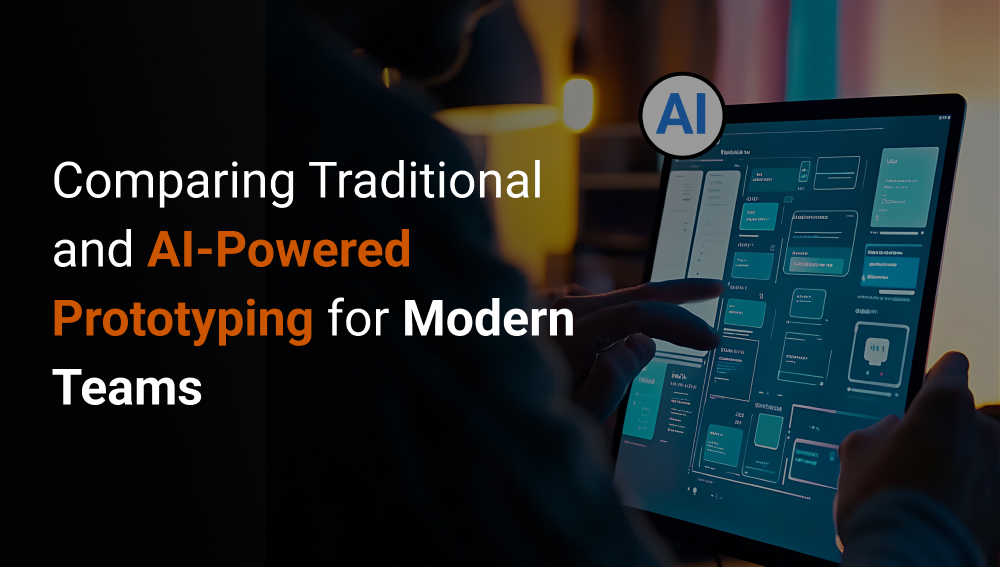
The prototyping landscape has undergone a fundamental transformation.
While traditional prototyping methods and conservative design thinking have served organizations well for decades, they have begun to consume significant resources and development time. On average, a conventional design process consumes 8-20 weeks (and more if the use case is complex), resulting in a painfully slow process.
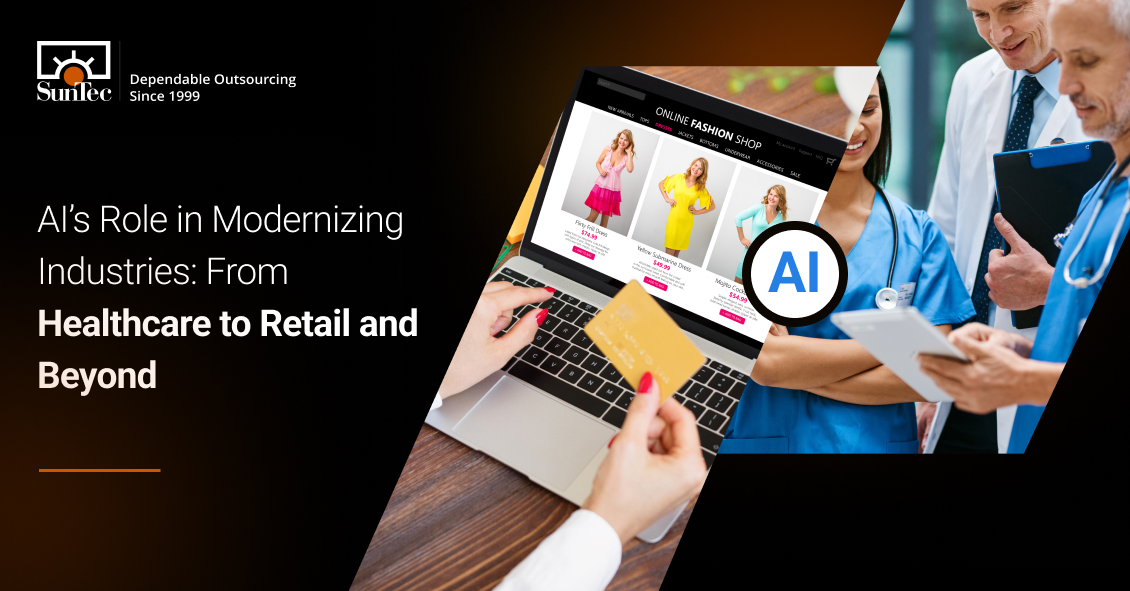
About twenty years ago, AI was confined to Hollywood blockbusters and research laboratories. But today, it sits in every boardroom discussion, democratizing capabilities once reserved for Fortune 500 companies. So, how did we transition from theoretical possibilities to having AI analyze medical scans, fly planes, process insurance claims, optimize supply chains, and perform many more tasks?
Digital convenience is no longer a differentiator; it has a baseline expectation. From personalized apps to interconnected web platforms, businesses are under constant pressure to deliver faster, more innovative, and more intuitive digital experiences that users can access at any time, anywhere, and on any device.
Siloed development teams, fragmented code, and the relentless pressure to keep pace with two distinct platforms—these realities have long affected mobile app development. However, with platforms like React Native, developers have a robust solution for building cross-platform apps with native-like features, offering consistent UI/UX across Android and iOS.
Automated invoice processing systems have significantly improved accounts payable operations by accelerating invoice approvals, reducing clerical errors, and minimizing manual staff hours. But while using automation for high-volume, rule-based validation often boosts productivity, it fails when handling non-standard or edge cases. These exceptions—ranging from mismatched purchase orders and duplicate entries to incomplete or irregular invoice formats—are where automation systems typically hit a wall.
Web development has come a long way, from single, static web pages (SPAs) to dynamic data-driven solutions that drive an entire digital strategy. Modern websites are more than storefronts; they meet customers where they’re at, provide instant access across all touchpoints, and offer personalized experiences to all, simultaneously.