
“We’re up to half a billion [customer] questions that we just wouldn’t have been able to answer before in the search box, things like ‘tell me about protein powder’ or ‘can I use this fishing reel in saltwater’. It’s really opened up a whole new level of customer convenience.” — Doug Herrington, CEO of Amazon Worldwide Stores
Amazon listing optimization in 2026 is no longer just a keyword placement exercise. The scale of conversational shopping Herrington describes reflects a fundamental shift already underway: Amazon Rufus and other AI-driven discovery layers are now the primary interface between shoppers and products, surfacing results based on natural-language queries, use cases, and intent — not keyword matches alone.
Traditional Amazon SEO still matters, but it now operates within a broader search environment shaped by conversational behavior and AI-generated recommendations. That changes the optimization model entirely.
Instead of asking whether a listing contains the target keyword, the more relevant question is: Can Amazon’s AI understand what the product is, who it’s for, when it should be recommended, and why it fits?
This blog breaks down key drivers reshaping Amazon product discovery, how sellers can optimize listings for both visibility and conversion, and how Amazon product listing optimization services help.
The Structural Shift: Key Drivers Behind Changing Product Discovery on Amazon
1. Conversational Commerce & Attribute-Rich Search Queries
Instead of relying solely on broad match keywords, shoppers increasingly include attributes such as use case, budget, or feature preferences in their queries.
For example, a search that once looked like: ‘wireless earbuds’, is now often expressed with additional constraints such as:
- “wireless earbuds with noise cancellation under $100”
- “wireless earbuds for running with secure fit”
Two developments are accelerating this shift: AI Shopping Assistant (Rufus) & Voice Commerce. Here’s how;
AI Shopping Assistant (Rufus):
- Conversational queries are becoming more common, as Rufus allows shoppers to ask descriptive, intent-driven questions instead of relying on short keyword strings.
- Product recommendations are becoming more context-aware, with Rufus interpreting signals such as the shopper’s current search, browsing activity, and the product page they are viewing.
- Product evaluation is becoming faster and more guided, as Rufus summarizes key product information and surfaces relevant options within the shopping interface.
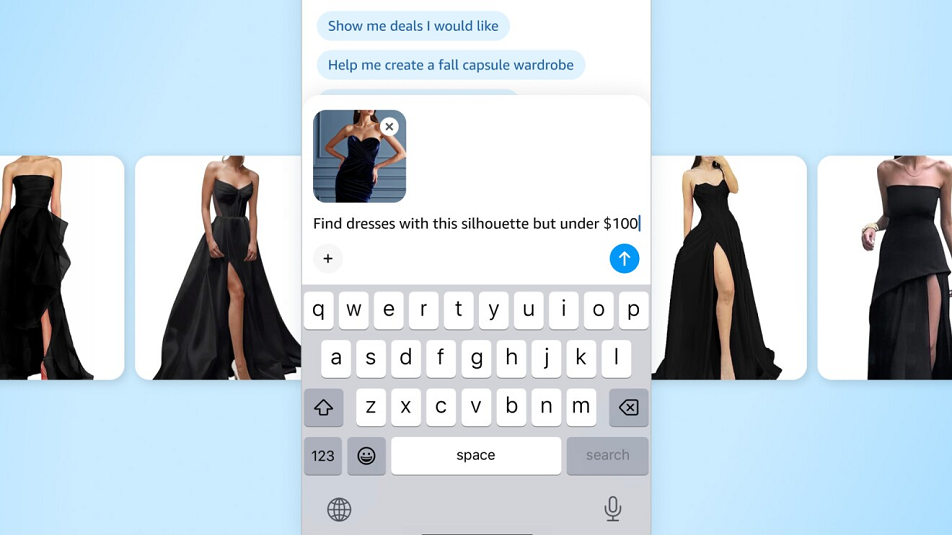
- Rufus supports multimodal search, enabling shoppers to upload images to identify products or locate similar items on Amazon.
Voice Commerce: When shoppers interact with voice assistants such as Alexa, queries tend to be longer and more descriptive because they are spoken rather than typed.
For example, instead of typing a short query like “air fryer accessories,” a voice search query may sound like: “Alexa, find air fryer liners that make cleanup easier.”
To process this request, Amazon’s search systems rely on natural language processing (NLP) models that interpret the spoken query by extracting key components such as:
- the product category (air fryer liners)
- the desired feature or outcome (easy cleanup)
- the usage context (accessories used with an air fryer)
2. AI-Powered Search Engines (ChatGPT, Perplexity, etc.)
Instead of starting their product research directly on Amazon, many shoppers now begin with AI systems such as ChatGPT to ask questions, compare products, and narrow down options before visiting the marketplace.
Unlike traditional search engines that return a list of links, these systems generate contextual answers and product recommendations by extracting information from multiple sources, including product listings, reviews, comparison articles, and user forums.
3. The Need for Personalization at Scale
According to McKinsey report, 71% of consumers expect companies to deliver personalized interactions, reflecting a broader shift in how shoppers discover and evaluate products online. In the Amazon landscape, this need for personalization is supported by machine-learning systems, including the AI-shopping assistant Rufus and the A10 algorithm. All of these factors lead to personalized search results and recommendations based on signals such as browsing behavior, purchase history, and saved items.
Product listings that clearly communicate product attributes, use cases, and differentiating features provide stronger signals for these systems, improving their likelihood of being surfaced to relevant shopper segments.
How to Optimize Your Listings for Amazon Rufus and AI-Driven Search to Boost Sales?
1. Use Attribute-Rich Titles and Natural Language
Shoppers use detailed, attribute-rich search queries that reflect specific needs, such as use case, budget, or feature preferences. Instead of relying solely on broad terms, shoppers are now searching with greater context and specificity—for example, “wireless earbuds with noise cancellation under $100” rather than just “wireless earbuds“.
To align with this shift in search behavior, product titles should combine the core product identity with key attributes like use case, price range, and specific features. This includes using noun phrases—such as “lightweight hiking boots” or “waterproof Bluetooth speakers”—which are natural, concise descriptions of the product and align with how shoppers search.
2. Optimize Backend Keywords
Amazon’s backend keyword provides Rufus with the context it needs to deliver more accurate search results and personalized recommendations.
Here are key strategies for optimizing backend keywords:
| Backend Attribute | What to Include | Why It Matters |
|---|---|---|
| Synonyms | Use variations like “sneakers,” “trainers,” or “athletic footwear” for “running shoes.” | Helps Amazon match your product to a wider range of search queries. |
| Abbreviations | Include terms like “USB” for “Universal Serial Bus.” | Ensures your product is visible for shorthand and commonly used abbreviations that shoppers might type. |
| Common Misspellings | Add common typos like “sneeker” for “sneaker.” | Captures traffic from queries with spelling mistakes. |
| Foreign Terms | Include translations like “zapatos de correr” for “running shoes.” | Helps reach non-English speaking shoppers, expanding your product’s visibility. |
| Long-Tail Variations | Use hyper-specific terms like “extra wide fit” or “ultra lightweight.” | Matches highly specific search queries that reflect shoppers’ unique preferences and target niche audiences. |
Key Rules to Avoid Violation:
- 249-Byte Limit: The search term field allows up to 249 bytes. Special characters, such as accents or symbols, consume additional bytes, so careful optimization is required to stay within this limit.
- No Repetition: Avoid repeating words already in your title, bullet points, or description.
- No Punctuation: Use only spaces between keywords; avoid commas, semicolons, or dashes as they take up valuable bytes.
- No Brand Names: Do not include your brand name or a competitor’s in backend keywords, as this violates Amazon’s policy.
Struggling with Amazon Product Visibility?
Let our experts help with product listing optimization to improve search relevance and drive visibility.
3. Optimize Amazon Listings for AI-Driven Search & Answer Engines
AI assistants summarize product information in response to shopper questions. Listings that clearly address common buyer questions and decision factors are more likely to appear in these AI-generated responses.
FAQs and descriptions should include long-tail keywords that cater to shopper intent, and answers questions such as:
- Compatibility: Does the product work with certain devices or systems?
- Use Case: What scenarios or environments is the product designed for?
- Problem-Solving: What problem does the product solve, and how?
- Comparative Fit: How does it compare to similar products based on features, performance, or price?
4. Leverage Insights from Reviews and Q&A
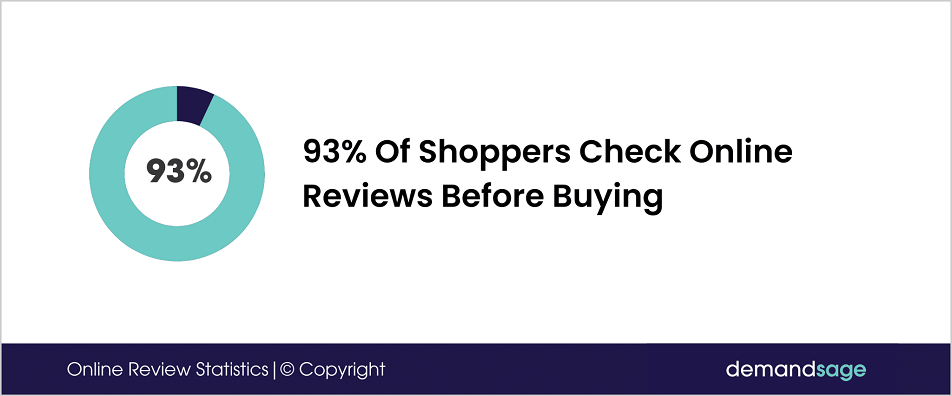
The combination of Rufus’s recommendations and shoppers evaluating product reviews themselves plays a central role in influencing final purchase decisions, as both contribute to building trust and addressing buyer concerns.
How Amazon Rufus Works with Reviews?
- Quality & Context Check: Rufus analyzes reviews to understand real-world use cases and specific user experiences, improving recommendation accuracy.
- Thresholds: Products with ratings above 4.0 and a high review volume are more likely to be recommended.
- Answer Generation: When shoppers ask questions, Rufus pulls relevant answers from reviews and Q&A.
How to optimize for Rufus?
- Incorporate insights from reviews directly into your product descriptions and Q&A sections to address common concerns.
- Encourage detailed feedback to improve visibility in AI-generated recommendations and ensure your product meets customer expectations.
5. Strengthen Visual and Multimodal Content
Rufus leverages both images and text to understand the context, intent, and nuance behind shopper queries, making high-quality visuals, detailed video content, and comprehensive A+ content critical for accurate AI recognition and personalized recommendations.
Amazon Rufus product listing optimization for multimodal content:
- Text Overlays: Add clear, concise text on images (e.g., “30-hour battery life” or “stainless steel”) to help Rufus read and understand key product features.
- Rich Alt Text: Use detailed alt text for every image to provide additional context and improve the AI’s understanding of your product.
- Contextual Imagery: Use lifestyle images that show the product in use to answer the “when,” “where,” and “why” and provide context for Rufus.
- Avoid Cluttered Images: Ensure your images are clear and easily readable by AI, avoiding clutter or obstructions.
- Video and A+ Content: Integrate problem/solution videos and FAQ sections in A+ content, providing Rufus with answers directly from the customer reviews and Q&A.
- Text/Image Consistency: Align your image overlays with the product description text for accurate AI interpretation.
How SunTec India Helps with Amazon Listing Optimization?
1) Keyword Research and Amazon Search Term Optimization
By leveraging search term reports, reverse ASIN lookups, and long-tail keyword strategies, we optimize backend keywords to ensure your products rank for high-intent, relevant searches.
2) Amazon Product Description Optimization
We optimize product titles, bullet points, and descriptions by incorporating high-traffic keywords and long-tail keywords that align with how shoppers search. This helps improve Rufus’s ability to recommend your product in response to customer queries and increases search visibility.
3) Amazon A+ Content Creation and Enhancement
By creating premium A+ content with feature comparison modules, lifestyle images, and interactive videos, we enhance product listings to improve engagement and visibility.
4) Amazon Product Image Optimization
We focus on optimizing product images with alt tags, 360-degree views, and zoom-enabled visuals to improve AI recognition, visibility, and conversion rates.
5) Reporting and Analytics
Continuous tracking of keyword rankings, conversion rates, and traffic metrics allows us to evaluate and optimize product listings to drive better results.
Losing Visibility on Amazon Search Results?
Let our Amazon experts optimize your listings for AI search and AEO, ensuring your products are visible and recommended to the right shoppers.
Request a Free Listing Audit! |
Share Your Requirements! |