AI Training Data Services for eCommerce

Search, Recommendations, Catalog, Pricing, Fraud, Returns — Train Your eCommerce AI on Task-Specific Data

Get bundled support for eCommerce AI training dataset preparation — from open-source data collection to human-in-the-loop model validation — delivered in the formats your model consumes.

Get Your AI Training Data Proposal

Success Stories

...it's all about results

AUTOMATED COMPETITOR INTELLIGENCE

AUTOMATED COMPETITOR INTELLIGENCE

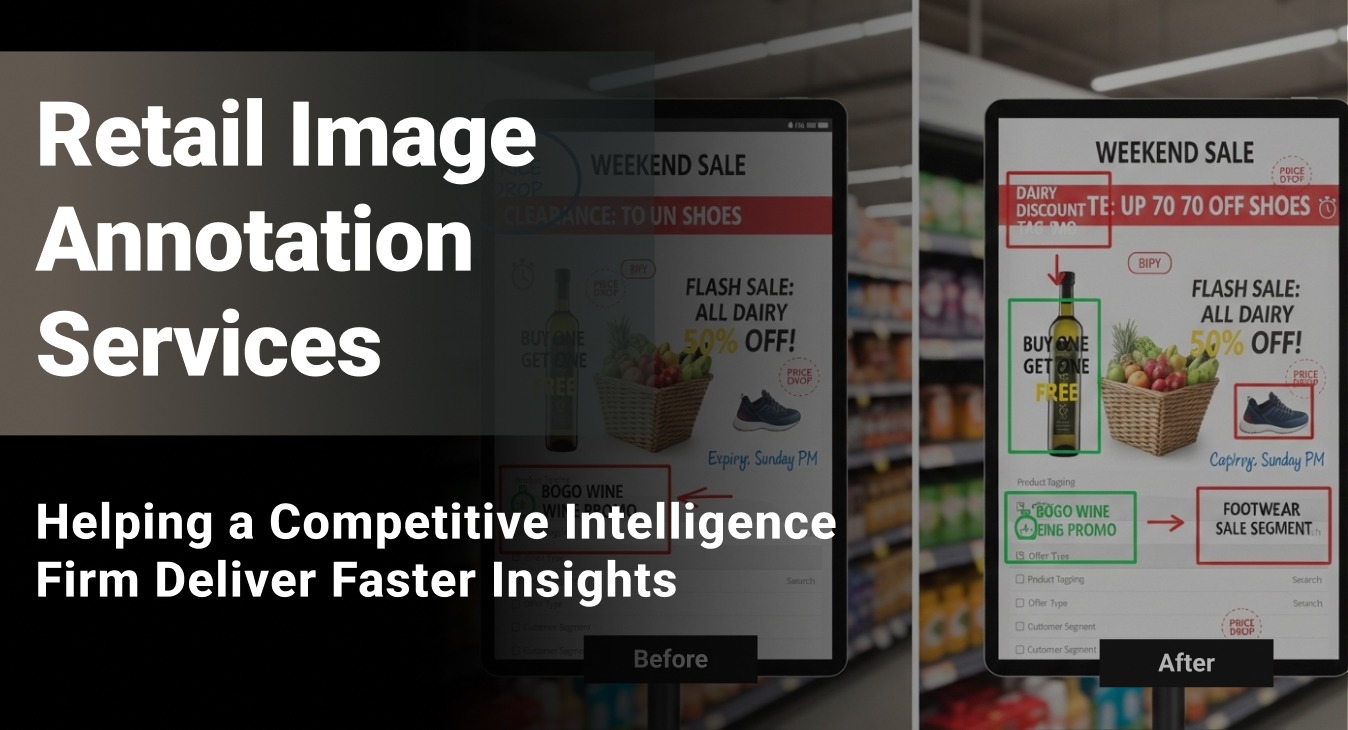
250K+ Retail Image Annotation Delivered per Month with 98.5% Annotation Accuracy

Read More
AUDIENCE RESPONSE PREDICTION

AUDIENCE RESPONSE PREDICTION

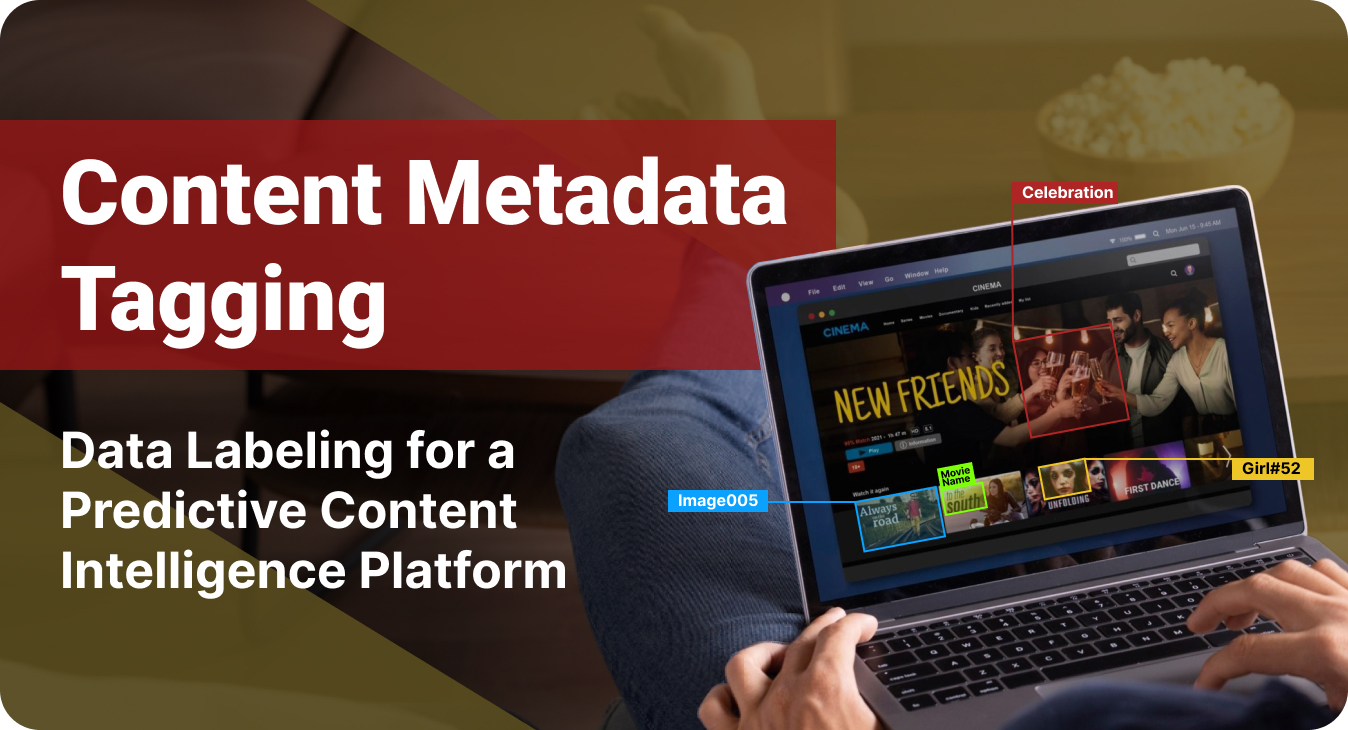
65% Improved AI Model Accuracy with Multilingual Content Metadata Tagging

Read More

AI TRAINING DATA SERVICES FOR ECOMMERCE

Catalog & Context-Aware Training Data for eCommerce AI Models

Scaling eCommerce AI is uniquely difficult. The model must navigate millions of SKUs from diverse sellers, inconsistent data quality, and conflicting schemas across various global marketplaces—all while adapting to dynamic price fluctuations and shifting consumer intent. When training data does not reflect this complexity, the results are immediate, customer-facing failures — irrelevant recommendations, broken visual search, hallucinated product information, and blocked legitimate transactions.

Our AI training data services for eCommerce eliminate this gap. Across the entire AI training data pipeline, our services are organized around three disciplines where retail AI teams consistently underestimate the cost of mislabeling: multimodal annotation across product images, video, and text at catalog scale, deep taxonomy and attribute tagging by annotators who understand retail-specific distinctions like occasion and brand fit, and human-in-the-loop validation for live model outputs across search, recommendation, and GenAI systems.

Proven Domain Expertise

Hands-on experience with eCommerce AI training data preparation — product image annotation, catalog labeling, customer support transcript labeling, etc., across fashion, electronics, grocery, and omnichannel eCommerce environments.

Scale without Sacrificing Quality

Established operational workflows, in-house subject matter experts, and a large workforce with the flexibility to scale teams up or down based on your project's seasonal demands.

Security & Compliance

Your proprietary datasets and product data are protected at every stage with NDAs, strict internal access governance, data encryption, ISO, HIPAA, and GDPR compliance.

Flexible Engagement Models

Whether you need a short-term pilot (free trial available), a dedicated annotation team for an ongoing program, or burst capacity for a seasonal project, we configure the engagement to your requirements.

AI TRAINING DATA FOR ECOMMERCE: SERVICES

Training Data Built around What Your Model Needs

eCommerce training data starts messy — with duplicate SKUs, conflicting attributes, ambiguous customer queries, and behavioral signals that drift with every seasonal rotation. However, in production, these are not separate data problems. Your visual search model needs attribute labels that match the taxonomy used by your recommendation engine, which must align with the intent classifications your chatbot was fine-tuned on. Our eCommerce dataset preparation services cover every stage from raw data to model-ready output, ensuring that all data layers are accurately catered to under a shared taxonomy and consistent labeling logic.

AI Data Collection Services for eCommerce

  • Gather high-quality product images, text, video, and customer interaction data from public eCommerce sites (open marketplace listings, product review platforms, competitor pricing feeds) and web-based eCommerce data sources.
  • Aggregate and integrate client-provided datasets (CRM exports, transaction records, customer interaction logs) into the training pipeline alongside externally sourced data.
View MoreAI Data Collection Services

Data Preprocessing Services for eCommerce

  • Clean, normalize, and transform raw eCommerce data into machine learning-ready formats.
  • Include deduplication, format conversion, PII masking where applicable, and data enrichment with external metadata like product taxonomy, customer behavior signals, pricing intelligence, and marketplace category mappings.
View MoreData Preprocessing Services

eCommerce Data Annotation Services

  • AI-assisted pre-annotation with expert human review across images, video, and text data, with annotation teams trained on project-specific rules, edge-case handling, and annotation accuracy up to 99%.
  • Teams that work natively across prominent data labeling tools, such as CVAT, Labelbox, Label Studio, and V7, as well as client-proprietary annotation platforms.
View MoreData Annotation Services

LLM Fine-Tuning Services for eCommerce

  • Supervised fine-tuning data (prompt-response pairs grounded in eCommerce domain knowledge).
  • RLHF annotation to align model outputs with domain-specific expectations, brand tone, and human preferences.
  • Adversarial red team testing to catch hallucinated recommendations that could lead to cart abandonment, revenue loss, or customer distrust.
View MoreLLM Fine-Tuning Services

AI Model Validation Services for eCommerce

  • Human-in-the-loop validation of your eCommerce AI model's outputs.
  • Subject matter expert review to catch edge cases (misclassified products, false-positive fraud flags, hallucinated product claims, biased recommendation patterns).
  • Bias audits to ensure your model performs across varying conditions. Consensus-based accuracy checks with multi-annotator agreement protocols.
View MoreAI Model Validation Services

CLIENT SUCCESS STORIES

It's all about results.

The Proof is in the Pipeline

Discover how we’ve helped businesses across 50+ nations bridge the gap between "lab-ready" and "market-ready" AI/ML applications by solving their most complex training data challenges.

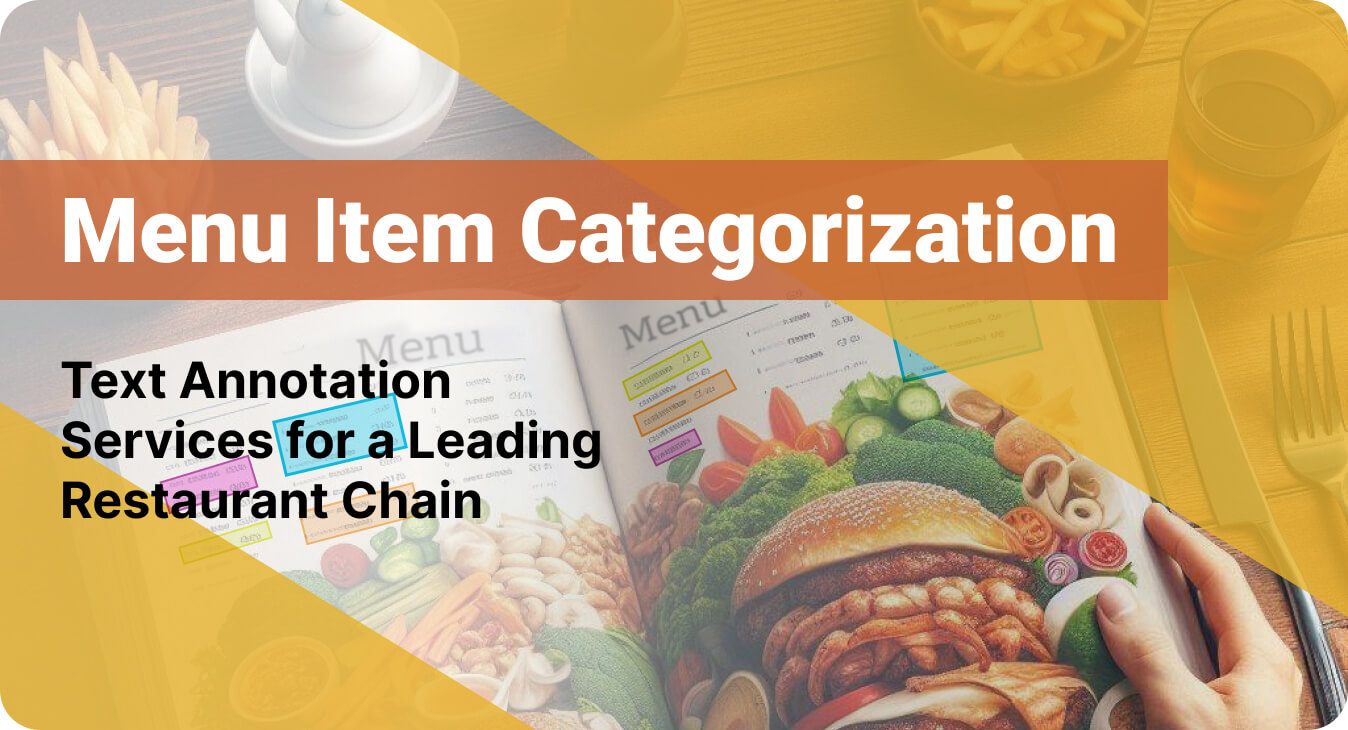
menu item categorization

Helping a leading restaurant chain classify 50k+ menu items to ensure customer satisfaction and legal compliance, with 100% accuracy rates
100%

Accuracy in Menu Items Categorization

50K+

Items Classified in Menu Categorization

Enhanced

Regulatory Compliance and Customer Experience
Data Labeling for a Predictive Content Intelligence Platform

Labeled over 2500 entertainment content (Movies, TV Series, Trailers) monthly to enable the accurate prediction of the target audience engagement rates and response.

65%

Improved AI Model Accuracy

60%

Less Content Categorization Errors

4-Month

Faster Model Development
Retail Image Annotation

Bounding box annotation and metadata tagging across retail promotional images, powering competitive intelligence solutions for a US-based company.

250K+

Annotations Delivered Monthly

98.5%

Annotation Accuracy
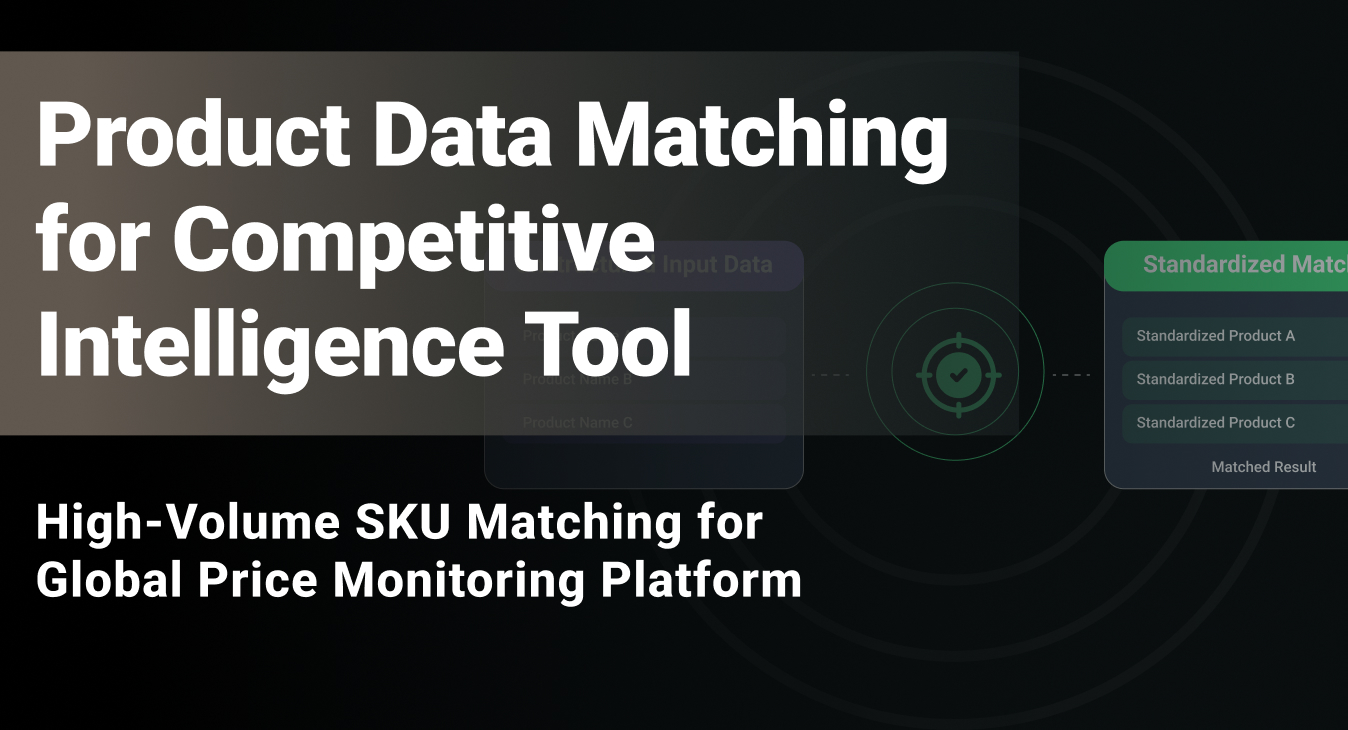
Product Data Matching for Competitive Intelligence Tool

Accurately validated 25,000+ SKUs monthly across hundreds of competitor websites with a human-in-the-loop workflow for a subscription-based competitive intelligence software

40%

Faster Time-to-Market

20-25%

Uplift in Gross Profit

99.2%

Data Accuracy Achieved

View All

DATA ANNOTATION TYPES WE SUPPORT

The Annotation Building Blocks behind High-Fidelity eCommerce AI Training Data

Annotation choices made early in a model's lifecycle determine what it can and cannot learn. Every retail AI system — visual search, recommendation, review intelligence, virtual try-on, attribute extraction — depends on how specifically the labeling technique is matched to the model. Our data annotation teams make this judgment selectively based on what your model actually needs to learn, shaping accuracy, throughput, and downstream model behavior.

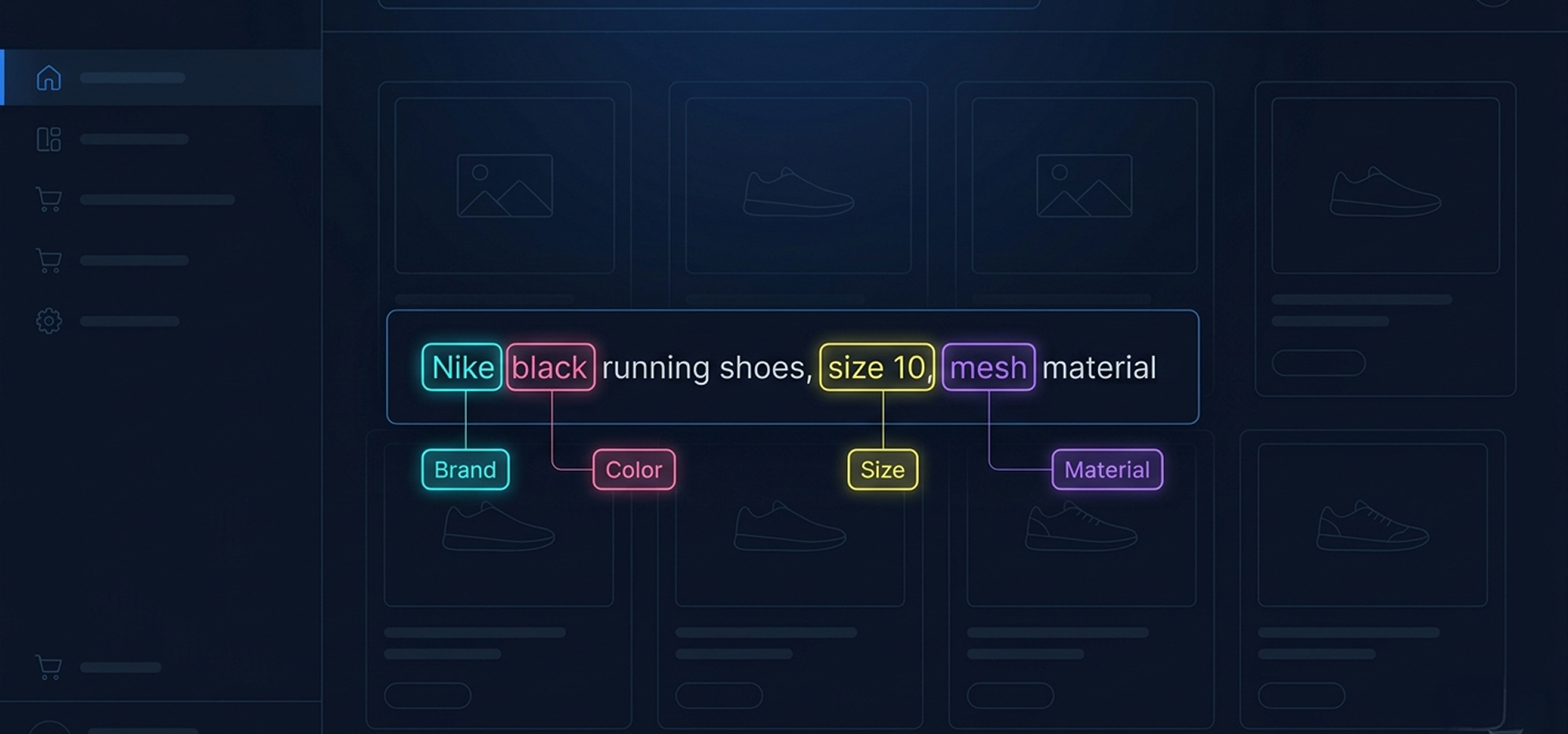
Named Entity Recognition

Identifying and tagging product-specific terms in listings, reviews, or queries — brand names, sizes, colors, materials, or model numbers — within unstructured customer-generated text.

Multi-Label Image Classification

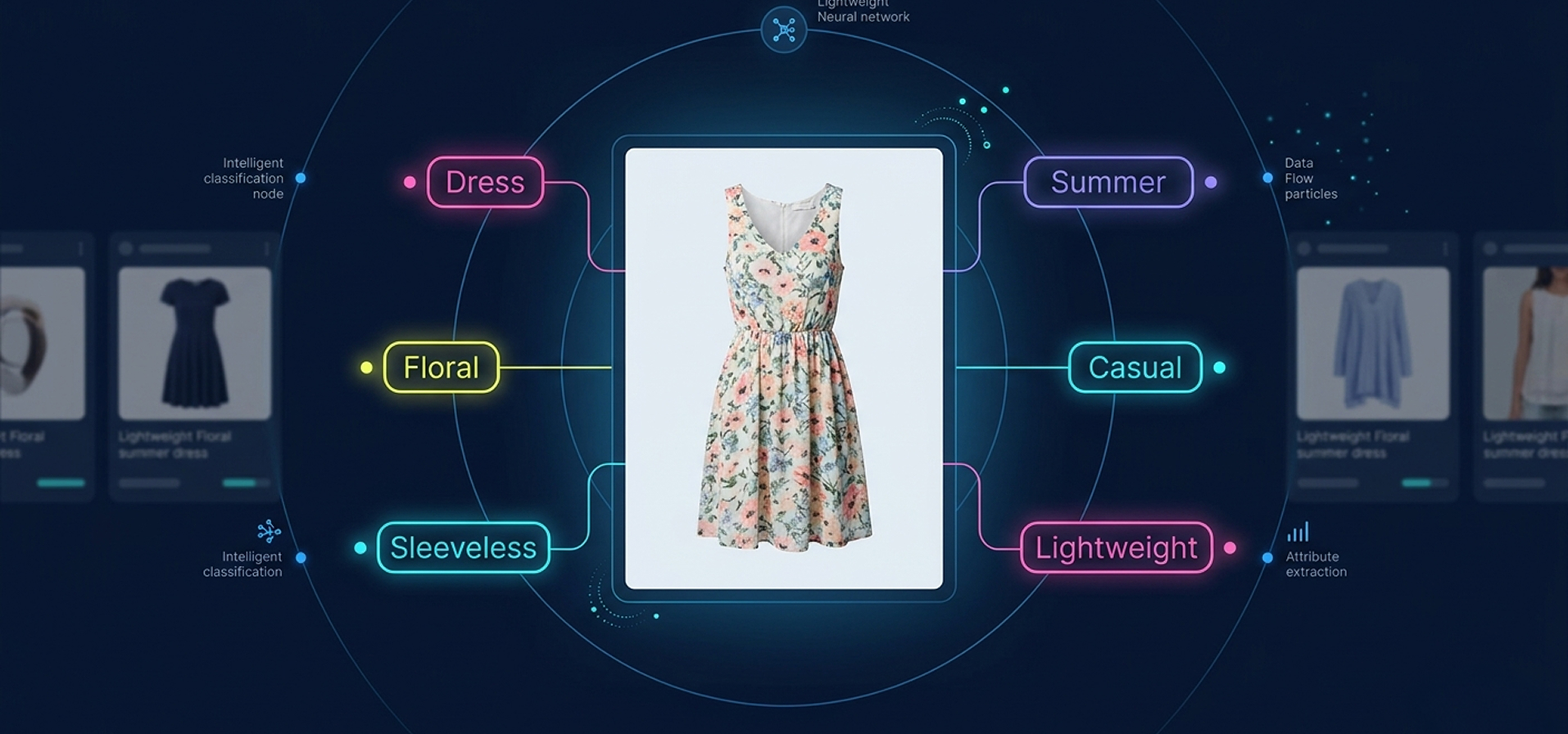
Assigning multiple category tags to a single product image — "dress," "floral," "sleeveless," "summer" — so a single photo trains models across overlapping attribute taxonomies.

Multi-Label Text Classification

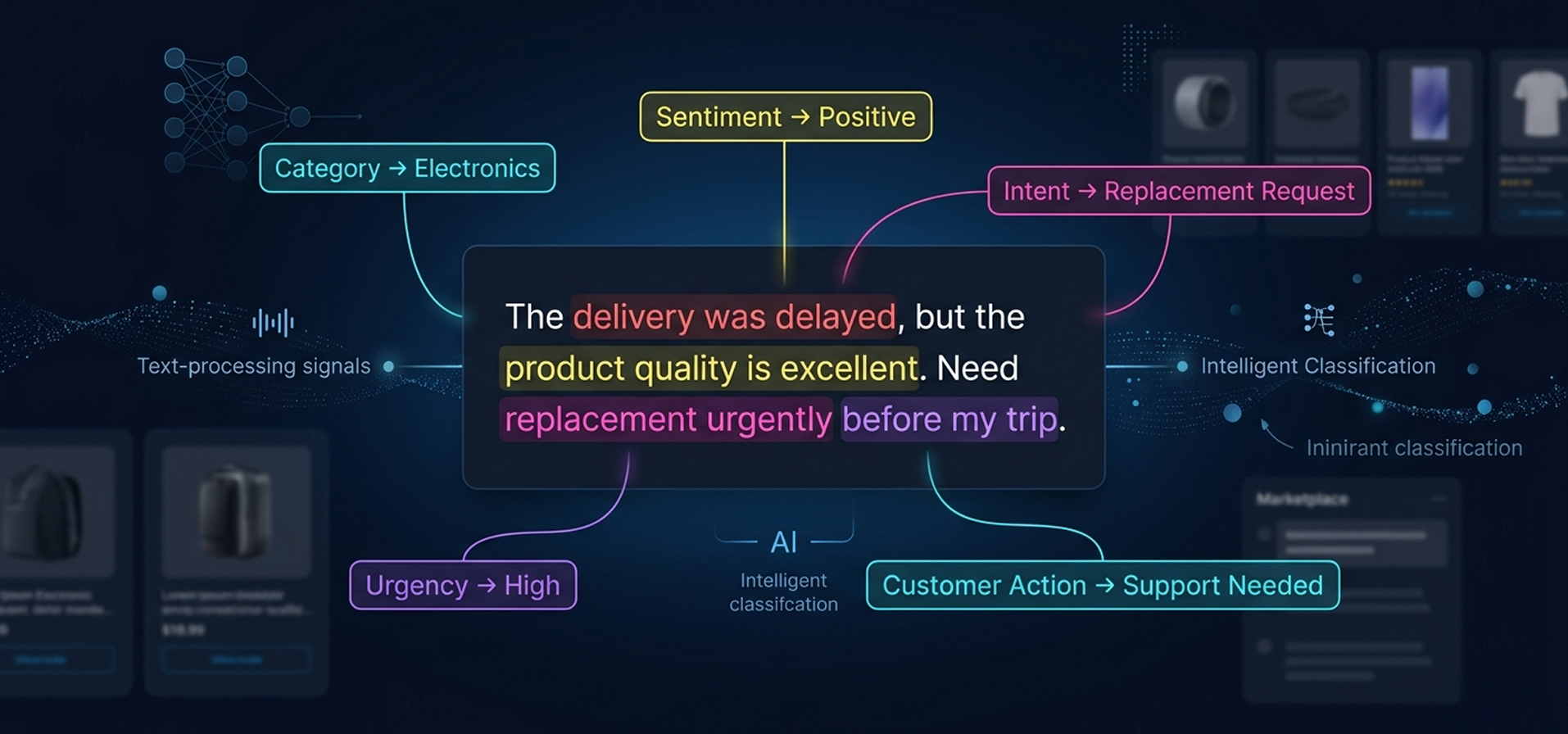
Tagging product descriptions or reviews with multiple labels at once — category, sentiment, intent, urgency — capturing the layered signals contained in a single text snippet.

Instance Segmentation

Outlining each distinct product at the pixel level in lifestyle or catalog imagery — separating overlapping items like a handbag, jacket, and shoes as individual instances.

Polygon Annotation

Tracing precise outlines around irregular product shapes — jewelry, footwear, furniture, or apparel cutouts — for background removal, virtual try-on, and visual search models.

Time-Series Data Labeling

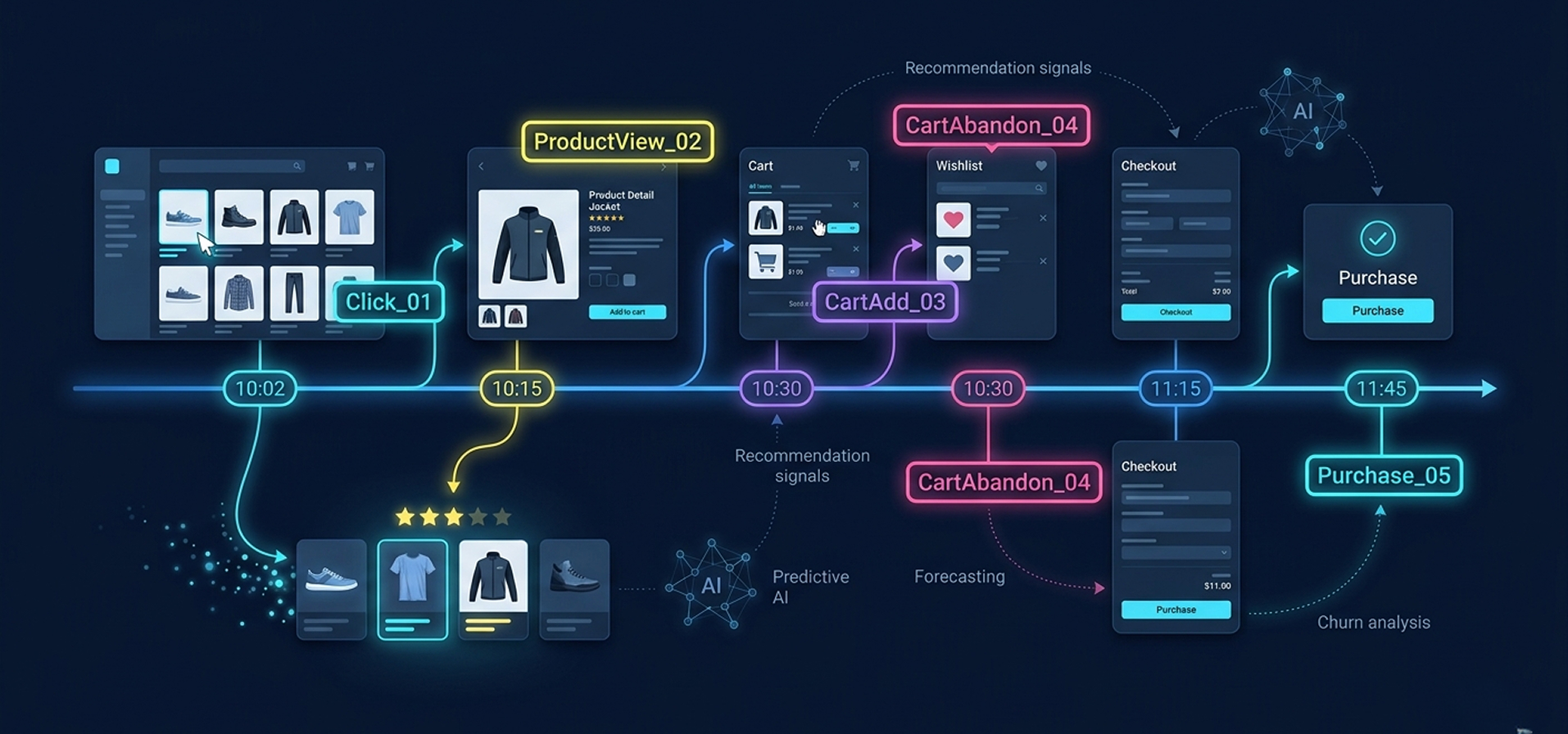
Tagging timestamped events in shopper behavior streams — clicks, cart adds, abandonments, purchases — to train recommendation, churn, and demand forecasting models.

Semantic Segmentation

Classifying every pixel in product or lifestyle imagery by category — apparel, skin, background, accessories — enabling virtual try-on, automated background removal, and detailed visual search.

Keypoint/Landmark Annotation

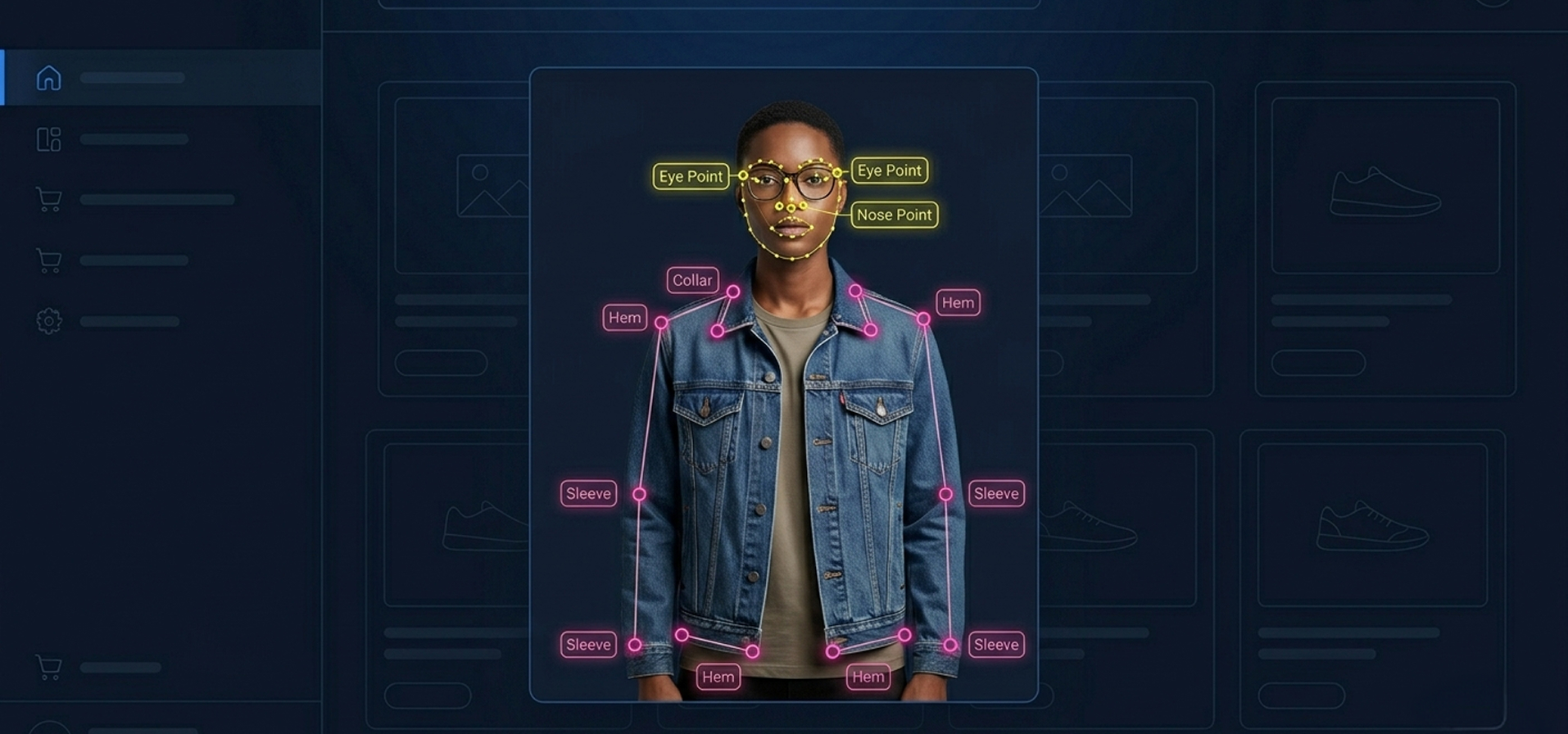
Marking specific landmark points on products or models — collar, hem, sleeve cuffs on apparel — so models can reason about garment structure for fit prediction, virtual try-on, and category classification.

Identifying and tagging product-specific terms in listings, reviews, or queries — brand names, sizes, colors, materials, or model numbers — within unstructured customer-generated text.

Assigning multiple category tags to a single product image — "dress," "floral," "sleeveless," "summer" — so a single photo trains models across overlapping attribute taxonomies.

Tagging product descriptions or reviews with multiple labels at once — category, sentiment, intent, urgency — capturing the layered signals contained in a single text snippet.

Outlining each distinct product at the pixel level in lifestyle or catalog imagery — separating overlapping items like a handbag, jacket, and shoes as individual instances.

Tracing precise outlines around irregular product shapes — jewelry, footwear, furniture, or apparel cutouts — for background removal, virtual try-on, and visual search models.

Tagging timestamped events in shopper behavior streams — clicks, cart adds, abandonments, purchases — to train recommendation, churn, and demand forecasting models.

Classifying every pixel in product or lifestyle imagery by category — apparel, skin, background, accessories — enabling virtual try-on, automated background removal, and detailed visual search.

Marking specific landmark points on products or models — collar, hem, sleeve cuffs on apparel — so models can reason about garment structure for fit prediction, virtual try-on, and category classification.

TECH STACK

AI Data Services: Technology Stack

The Operational Stack Supporting Large-Scale AI Data Collection & Labeling

The infrastructure behind our AI data solutions is optimized for control and speed. This tech stack, implemented within our AI data preparation workflow, enables our AI training data services to remain predictable at scale, auditable under scrutiny, and dependable when models encounter real-world variability.

ECOMMERCE DATA LABELING SERVICES: USE CASES

Power Smarter Search, Discovery, and Conversion Experiences with Purpose-Built Training Data

Every eCommerce AI application has training data requirements that generic annotation cannot satisfy. For instance, what works for catalog search (product data annotation) is irrelevant for chatbot training (customer chat transcript annotation). Our eCommerce data labeling services are engineered to manage this variance, with annotation teams trained on the specific product taxonomies, customer interaction patterns, and marketplace data structures your models actually consume.

Visual Search and Product Recognition

AI Capability

Enable shoppers to find products through text queries, image uploads, and faceted filters — returning relevant results across catalogs with millions of SKUs and inconsistent attribute naming.

Training Data Gap

Search relevance breaks when product data is inconsistent: a query for "navy linen blazer" fails if a seller tags the color "dark blue," and omits the material entirely. Visual search models trained on studio photography struggle with cluttered customer-uploaded images.

Our Approach

We use polygon annotation and instance segmentation to isolate products in cluttered scenes and separate overlapping items in lifestyle images. Multi-label classification tags color, pattern, material, and style, while NER span tagging extracts Brand, Size, Category, and Material from free-text queries and scores query-result relevance.

Customer Intelligence & Sentiment Analytics

AI Capability

Understand what customers feel about specific product attributes—quality, sizing, shipping, price—at the aspect level across reviews, support transcripts, and social mentions.

Training Data Gap

Sentiment is context-dependent. For instance, "drains quickly" is a positive in a washing machine review but a negative in a mobile or laptop review. A single sentence often contains multiple sentiments about different attributes, so it requires aspect-level separation, not a single label.

Our Approach

Aspect-based sentiment tagging scores polarity and intensity for quality, sizing, shipping, price, and durability across product review datasets. Emotion classification surfaces frustration, delight, and anger; NER extracts products, brands, features, and competitors; multi-label classification organizes themes at scale. Incentivized, coordinated, or fabricated reviews are flagged and excluded pre-delivery.

Inventory Intelligence & Demand Forecasting

AI Capability

Predict product demand at the SKU level based on historical sales patterns, seasonal signals, promotional calendars, and competitor activity — reducing stockouts and minimizing overstock.

Training Data Gap

Demand signals are fragmented across order management systems, warehouse databases, and marketplace dashboards — each with its own schema and update frequency. A promotional spike looks identical to genuine demand growth if the data is not labeled to distinguish them.

Our Approach

We label SKU-level sales time series with regime markers — normal demand, promotional spike, seasonal surge, supply disruption, stockout period. Anomalous data points are flagged to separate genuine demand from system errors. External signals — weather, holidays, competitor actions — are labeled as demand-impacting or non-impacting to isolate causal drivers.

Dynamic Pricing & Market Intelligence

AI Capability

Monitor competitor pricing in real time, optimize pricing strategy based on demand elasticity and competitive position, and detect promotional patterns across marketplace platforms.

Training Data Gap

Competitor pricing spans thousands of URLs with varying page structures and update frequencies. A "sale price" might reflect a bundle, flash discount, or clearance markdown — each with different competitive implications. Treating them identically corrupts your pricing model.

Our Approach

We match competitor products to your catalog at the SKU level for accurate price comparison. Pricing positions are classified as overpriced, competitive, or underpriced through text classification. Time-period labeling separates price-driven demand from organic demand, isolating true elasticity. OCR annotation extracts pricing from product listing screenshots and promotional display imagery.

Customer Support Automation

AI Capability

Automate ticket routing, response generation, and resolution workflows across email, chat, and social channels — handling multi-intent queries and maintaining context across conversation turns.

Training Data Gap

Real customer conversations are messy. Shoppers misspell product names, switch topics mid-sentence, and ask compound questions. Generic LLMs trained without your product catalog can hallucinate return policies, fabricate shipping timelines, and recommend discontinued items.

Our Approach

Customer support conversations are labeled with granular intent tags (order_tracking, return_request, product_question, complaint) and structured entities (order_id, product, date, issue_type) extracted per turn via NER span tagging. For LLM fine-tuning, we create domain-specific prompt-response pairs grounded in your actual catalog and policies. AI outputs are validated to catch hallucinated product claims.

Virtual Shopping Assistants

AI Capability

Guide shoppers through product discovery, size recommendations, style advice, and purchase decisions via conversational AI — supporting multi-turn context and visual try-on experiences.

Training Data Gap

Shopping guidance is subjective, contextual, and multi-modal. "A gift for my mother who likes gardening, under $50" requires reasoning across budget, preferences, and availability. Virtual try-on demands precise spatial data that generic pose datasets do not cover.

Our Approach

We mark body landmarks using keypoint annotations for pose estimation, and isolate clothing items in body images using instance segmentation. Multi-label image classification tags product images with style, occasion, and visual attributes. For the conversational layer, we build instruction-response pairs and apply RLHF — so the assistant's tone matches your brand.

Fraud & Quality Detection

AI Capability

Detect fraudulent transactions, fake reviews, counterfeit listings, and product defects — at high speed and accuracy, without blocking legitimate high-value purchases.

Training Data Gap

In raw eCommerce transaction datasets, legitimate transactions vastly outnumber fraudulent ones, so models over-index on "normal" behavior and miss real anomalies. Counterfeit images are near-identical to authentic listings; the difference is often a misaligned logo or different stitch pattern.

Our Approach

We localize suspicious indicators in product images — such as logo misalignment and stitching irregularities — using bounding-box annotations, and trace precise defect boundaries using polygon annotations. Image classification labels each listing as authentic, counterfeit, or suspicious. Multi-label text classification identifies incentivized, coordinated, and fabricated fake reviews or AI-generated content.

Personalized Shopping Experiences & Recommendations

AI Capability

Surface the right product at the right moment — personalized to each shopper's behavior, preferences, and purchase history — powering cross-sell, upsell, and dynamic content.

Training Data Gap

Raw customer behavior data is noisy. Not every click is a preference signal — shoppers misclick, browse passively, and bounce. A model trained on unprocessed clickstream datasets treats all interactions as having the same intent.

Our Approach

We score user interactions with weighted confidence grades—distinguishing high-intent actions (cart, purchase) from low-intent noise (passive browsing, misclicks)—through structured interaction labeling. Multi-label image classification tags products with rich visual and textual attributes for content-based filtering. Semantic segmentation isolates products within lifestyle imagery.

AI Capability

Enable shoppers to find products through text queries, image uploads, and faceted filters — returning relevant results across catalogs with millions of SKUs and inconsistent attribute naming.

Training Data Gap

Search relevance breaks when product data is inconsistent: a query for "navy linen blazer" fails if a seller tags the color "dark blue," and omits the material entirely. Visual search models trained on studio photography struggle with cluttered customer-uploaded images.

Our Approach

We use polygon annotation and instance segmentation to isolate products in cluttered scenes and separate overlapping items in lifestyle images. Multi-label classification tags color, pattern, material, and style, while NER span tagging extracts Brand, Size, Category, and Material from free-text queries and scores query-result relevance.

AI Capability

Understand what customers feel about specific product attributes—quality, sizing, shipping, price—at the aspect level across reviews, support transcripts, and social mentions.

Training Data Gap

Sentiment is context-dependent. For instance, "drains quickly" is a positive in a washing machine review but a negative in a mobile or laptop review. A single sentence often contains multiple sentiments about different attributes, so it requires aspect-level separation, not a single label.

Our Approach

Aspect-based sentiment tagging scores polarity and intensity for quality, sizing, shipping, price, and durability across product review datasets. Emotion classification surfaces frustration, delight, and anger; NER extracts products, brands, features, and competitors; multi-label classification organizes themes at scale. Incentivized, coordinated, or fabricated reviews are flagged and excluded pre-delivery.

AI Capability

Predict product demand at the SKU level based on historical sales patterns, seasonal signals, promotional calendars, and competitor activity — reducing stockouts and minimizing overstock.

Training Data Gap

Demand signals are fragmented across order management systems, warehouse databases, and marketplace dashboards — each with its own schema and update frequency. A promotional spike looks identical to genuine demand growth if the data is not labeled to distinguish them.

Our Approach

We label SKU-level sales time series with regime markers — normal demand, promotional spike, seasonal surge, supply disruption, stockout period. Anomalous data points are flagged to separate genuine demand from system errors. External signals — weather, holidays, competitor actions — are labeled as demand-impacting or non-impacting to isolate causal drivers.

AI Capability

Monitor competitor pricing in real time, optimize pricing strategy based on demand elasticity and competitive position, and detect promotional patterns across marketplace platforms.

Training Data Gap

Competitor pricing spans thousands of URLs with varying page structures and update frequencies. A "sale price" might reflect a bundle, flash discount, or clearance markdown — each with different competitive implications. Treating them identically corrupts your pricing model.

Our Approach

We match competitor products to your catalog at the SKU level for accurate price comparison. Pricing positions are classified as overpriced, competitive, or underpriced through text classification. Time-period labeling separates price-driven demand from organic demand, isolating true elasticity. OCR annotation extracts pricing from product listing screenshots and promotional display imagery.

AI Capability

Automate ticket routing, response generation, and resolution workflows across email, chat, and social channels — handling multi-intent queries and maintaining context across conversation turns.

Training Data Gap

Real customer conversations are messy. Shoppers misspell product names, switch topics mid-sentence, and ask compound questions. Generic LLMs trained without your product catalog can hallucinate return policies, fabricate shipping timelines, and recommend discontinued items.

Our Approach

Customer support conversations are labeled with granular intent tags (order_tracking, return_request, product_question, complaint) and structured entities (order_id, product, date, issue_type) extracted per turn via NER span tagging. For LLM fine-tuning, we create domain-specific prompt-response pairs grounded in your actual catalog and policies. AI outputs are validated to catch hallucinated product claims.

AI Capability

Guide shoppers through product discovery, size recommendations, style advice, and purchase decisions via conversational AI — supporting multi-turn context and visual try-on experiences.

Training Data Gap

Shopping guidance is subjective, contextual, and multi-modal. "A gift for my mother who likes gardening, under $50" requires reasoning across budget, preferences, and availability. Virtual try-on demands precise spatial data that generic pose datasets do not cover.

Our Approach

We mark body landmarks using keypoint annotations for pose estimation, and isolate clothing items in body images using instance segmentation. Multi-label image classification tags product images with style, occasion, and visual attributes. For the conversational layer, we build instruction-response pairs and apply RLHF — so the assistant's tone matches your brand.

AI Capability

Detect fraudulent transactions, fake reviews, counterfeit listings, and product defects — at high speed and accuracy, without blocking legitimate high-value purchases.

Training Data Gap

In raw eCommerce transaction datasets, legitimate transactions vastly outnumber fraudulent ones, so models over-index on "normal" behavior and miss real anomalies. Counterfeit images are near-identical to authentic listings; the difference is often a misaligned logo or different stitch pattern.

Our Approach

We localize suspicious indicators in product images — such as logo misalignment and stitching irregularities — using bounding-box annotations, and trace precise defect boundaries using polygon annotations. Image classification labels each listing as authentic, counterfeit, or suspicious. Multi-label text classification identifies incentivized, coordinated, and fabricated fake reviews or AI-generated content.

AI Capability

Surface the right product at the right moment — personalized to each shopper's behavior, preferences, and purchase history — powering cross-sell, upsell, and dynamic content.

Training Data Gap

Raw customer behavior data is noisy. Not every click is a preference signal — shoppers misclick, browse passively, and bounce. A model trained on unprocessed clickstream datasets treats all interactions as having the same intent.

Our Approach

We score user interactions with weighted confidence grades—distinguishing high-intent actions (cart, purchase) from low-intent noise (passive browsing, misclicks)—through structured interaction labeling. Multi-label image classification tags products with rich visual and textual attributes for content-based filtering. Semantic segmentation isolates products within lifestyle imagery.

Security and Compliance

Your data security is our priority

ISO
Certified

HIPAA
compliance

GDPR

GDPR
adherence

Regular
security audits

Encrypted data
transmission

Secure
cloud storage

CONTACT US

Get Better Training Data Aligned to Your AI Problems

Send us your messy catalog with inconsistent attributes, customer review corpus with ambiguous sentiment, or product images that your AI needs to train on. We will process it and deliver annotated, validated training data that you can benchmark against your current data quality.

FAQ - Frequently Asked Questions

AI Training Data Services for eCommerce

For eCommerce datasets, we start with a structured onboarding and calibration process. We begin by developing project-specific annotation guidelines in collaboration with your team, covering product taxonomy, SKU-level classification criteria, marketplace-specific labeling protocols, and labeling edge cases specific to your dataset. Edge cases include distinguishing product variants across sellers, handling inconsistent attribute naming from multiple suppliers, and classifying ambiguous product categories. Our annotators then complete calibration exercises on sample data, and their outputs are benchmarked against expert-reviewed ground truth before production begins. Only teams that meet accuracy thresholds of 95-99% move to production work. Once the project goes live, our QA leads run ongoing quality reviews, inter-annotator agreement checks, and recalibration cycles as the dataset evolves. This helps maintain annotation quality across the full delivery lifecycle.

Yes. We offer both a free sample and a paid pilot — depending on how much validation you need before committing. If you want a quick read on output quality and annotation style, request a free sample, and we will process a small batch of your AI training dataset so you can evaluate our work firsthand. If you want to validate the full workflow — tooling compatibility, delivery format, turnaround, and quality at scale — we can initiate a paid pilot using your actual product data. That includes annotation, LLM fine-tuning, or AI model validation, depending on what your pipeline requires. Write to us at info@suntecindia.com to get started.

When preparing AI datasets for eCommerce platforms, we handle mid-project changes through a structured recalibration process:

  • Update the annotation guidelines
  • Re-train affected annotators on the revised product taxonomy
  • Run a fresh calibration exercise on sample data to verify consistency
  • Audit previously labeled data to determine whether re-annotation is needed or whether the existing labels can be mapped to the new schema

Our goal is to absorb the change without restarting the project and without letting revised labels introduce inconsistency with the training data you have already received.

Yes. Ecommerce AI projects often expand rapidly due to seasonal catalog resets, new marketplace launches, promotional campaigns, and flash sale events. When volume increases, we scale capacity through a structured onboarding process that includes project-specific training, guideline review, sample annotation exercises, and quality benchmarking against your approved ground truth. This means new annotators enter production at the same quality standard as your current team.

All annotated datasets, raw data, and project-specific annotation guidelines developed during the engagement are the client's intellectual property upon project completion. We do not retain copies, reuse client data to serve other clients, or repurpose your annotation guidelines for other projects.

Turnaround depends on dataset volume, annotation complexity, the number of label categories, and your QA requirements. Before work begins, we share a detailed project plan with milestone-level delivery dates so you know what to expect and when. If you need a faster turnaround, we can structure the team and workflow accordingly without compromising quality.

Our annotators are trained to flag ambiguous instances rather than guess the labels. Flagged cases are escalated to the project's QA lead. The QA lead either resolves them using the existing annotation guidelines, or — if the case falls outside what the guidelines cover — routes them to your team for a definitive ruling. That decision is then documented, added to the project's annotation guidelines as a new reference example, and communicated back to the full annotation team.

Yes. We regularly work with client-provided annotation platforms — whether that's your own Labelbox or CVAT instance, a proprietary internal tool, or any other environment your team has standardized on. We export annotated datasets in the format your ML pipeline requires — COCO, YOLO, Pascal VOC, or custom specifications — so your engineering team can ingest the data without additional conversion steps.

Yes. As an eCommerce AI training dataset provider, we source eCommerce data from publicly available sources through targeted web scraping and structured online research based on your specific requirements (product category, marketplace, geography, language). If you also have proprietary data (CRM exports, transaction records, product databases, customer interaction logs), we integrate it with publicly sourced data to build a unified eCommerce AI training dataset.

Building an in-house annotation team requires recruitment, training, licensing annotation tools, developing QA infrastructure, and ongoing management overhead. When you outsource eCommerce data annotation services to SunTec, you get immediate access to trained data professionals, established eCommerce-specific workflows, enterprise-grade quality controls, and elastic capacity for shifting project demands—all at a fraction of the effort and time of an in-house operation.

SunTec is a reputed eCommerce image labeling company with hands-on catalog and marketplace experience. We provide customer support conversation annotation, product image labeling, and customer review sentiment and intent classification. Other services include named-entity recognition for product-attribute extraction, video annotation for fulfillment automation, and multimodal labeling that combines image, text, and behavioral data. All annotation is performed by teams trained on eCommerce-specific guidelines, using CVAT, Labelbox, V7, Label Studio, or your proprietary annotation platform.

Yes. Our eCommerce data collection and annotation services are designed to work as a single connected workflow. We source product images, customer reviews, competitor pricing feeds, product descriptions, and marketplace catalog data through targeted web scraping and structured online research. We then annotate, label, and validate that data within the same pipeline, under the same taxonomy, with the same team. This eliminates the inconsistencies that surface when separate vendors with no shared context manage collection and annotation.

You get structured visibility throughout the engagement, not just status updates. Reporting can include batch-level throughput, edge-case and exception logs, inter-annotator agreement trends, revision counts, and QA findings tied to specific delivery batches. We set the reporting cadence during onboarding — daily, weekly, or milestone-based — depending on project scale and your internal review cycle. Your team can monitor where label consistency is improving, where defect logic is creating review friction, and where additional calibration may be needed before those issues affect training or validation.