

The global eCommerce market is scaling at a pace that is fundamentally changing how businesses compete and operate.
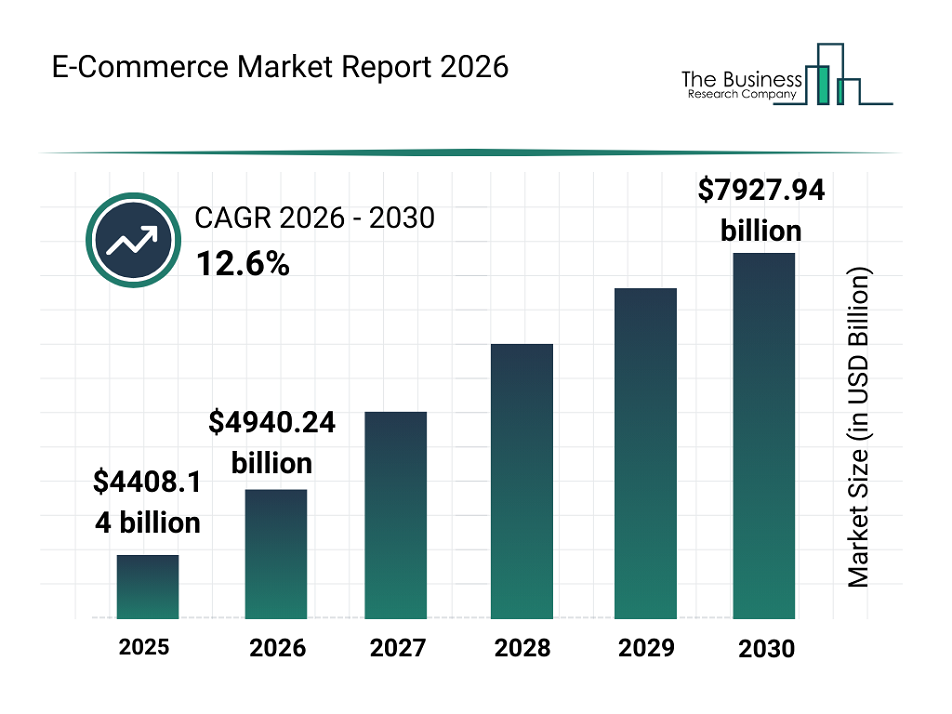
According to The Business Research Company’s eCommerce market report 2026, global eCommerce is projected to grow from $4408 billion in 2025 to $7927 billion by 2030, and the eCommerce market CAGR of 12.6%.
This expansion is raising the bar for execution: Mobile commerce now dominates transactions, AI and automation are embedded into daily operations, omnichannel commerce requires orchestration rather than channel presence, and advanced analytics are shaping pricing, inventory, and customer decisions. At the same time, immersive technologies, social commerce, sustainability, and trust-led execution are influencing how customers discover, evaluate, and buy products.
This blog examines the key trends driving this shift, outlines practical strategies brands must adopt to keep pace, and explains how disciplined execution across marketplaces, marketing, data, and operations enables brands to scale efficiently in an increasingly complex eCommerce environment.
Key eCommerce Trends Shaping the Global eCommerce Market (2026)
1. Mobile Commerce Dominating Consumer Behavior
Mobile devices now account for the majority of eCommerce traffic and transactions. For brands, this translates into clear execution priorities across mobile performance and conversion-critical touchpoints, including:
- Fast-loading mobile pages to reduce drop-offs and improve engagement
- Intuitive navigation designed for smaller screens and touch interactions.
- Simple, secure checkout process that minimizes steps and friction.
- Support for digital wallets and one-tap payments to shorten checkout time
2. AI Automation: Core to eCommerce Operations
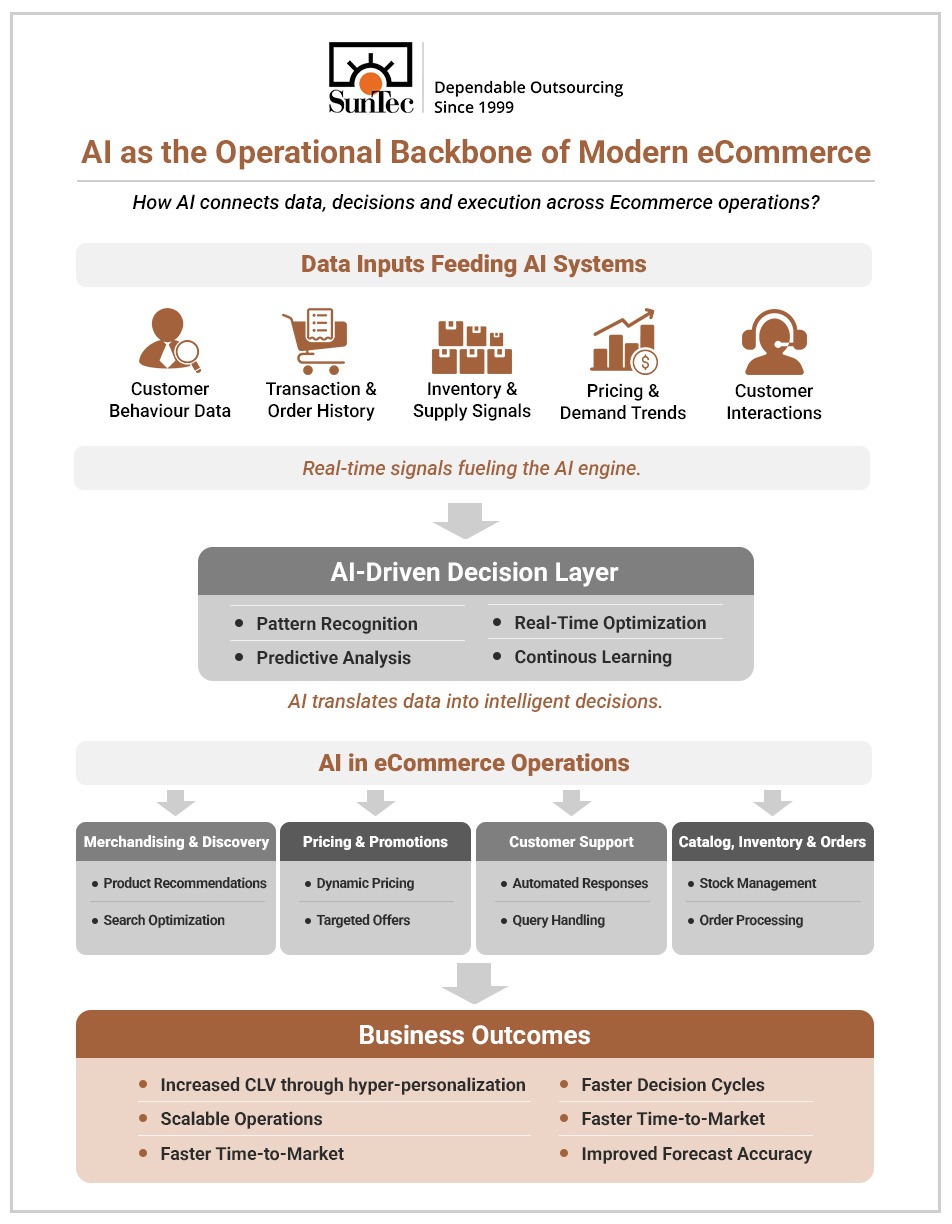
AI is no longer limited to experimentation or front-end personalization. It is increasingly embedded across core ecommerce workflows, shaping how brands manage scale, efficiency, and decision-making as operational necessities.
For brands, this shift places emphasis on:
- Automated product recommendations driven by behavioral and transactional customer data.
- AI-assisted pricing and promotion adjustments based on demand signals.
- Intelligent customer support automation for high-volume, repetitive queries.
- Workflow automation across catalog management, inventory updates, and order handling.
3. Omnichannel Commerce Moving From Presence to Orchestration
Consumers interact with brands across marketplaces, brand-owned sites, social channels, and mobile apps. The challenge is no longer channel expansion, but maintaining consistency and control across all touchpoints.
This requires brands to focus on:
- Centralized product data and inventory visibility across all touchpoints.
- Consistent pricing, availability, and product content across channels.
- Coordinated fulfillment and returns experiences regardless of purchase channel.
- Unified performance tracking across marketplaces and direct channels.
Read: How eCommerce Product Data Management Powers Omnichannel Success?
4. Advanced Analytics and Predictive Intelligence Driving Strategic Decisions
Brands increasingly rely on advanced analytics to anticipate demand, customer behavior, pricing sensitivity, and operational risk, enabling faster and more accurate decisions.
Use-Cases of predictive intelligence:
- Demand forecasting and inventory planning, combining historical, seasonal, and demand drivers such as promotions, lead times, and regional buying behavior.
- Hyper-personalization, using behavioral and purchase data to improve relevance and order value.
- Dynamic pricing, adjusting prices in real time based on demand, competition, and inventory levels.
- Customer retention and churn prevention, identifying early risk indicators for targeted intervention.
- Fraud and risk detection, analyzing transactions and payment anomalies to prevent losses.
5. Emerging Immersive and Conversational Technologies (AR/VR, Chatbots)
eCommerce experiences are expanding beyond static product pages as brands adopt augmented reality, virtual previews, and conversational interfaces to support product evaluation and customer interactions.
This shift is characterized by:
- Augmented reality (AR) overlays that allow shoppers to validate fit, scale, or placement in real-world contexts.
- Virtual showrooms and 3D environments that enable immersive browsing and comparative evaluation for high-consideration products.
- Conversational AI and chatbots that support product discovery, order tracking, returns, and checkout by delivering real-time, context-aware responses.
Want to Scale eCommerce Operations Without Losing Control or ROI?
Let our experts help you with end-to-end eCommerce marketplace management, marketing performance, and product data management as channel complexity increases.
Key Strategies: How Brands Can Navigate the Expanding & Evolving eCommerce Landscape?
1. Omnichannel Integration
“Frictionless omnichannel experiences need to go beyond just buying online, in-store pickup, and curbside pickup, and enable a truly seamless experience for selling, serving, fulfilling, and delivering.”
-Gartner’s Newsroom
Omnichannel integration enables brands to unify online, mobile, social, and physical touchpoints into a single commerce system, allowing customers to move seamlessly between channels without disruption.
Unified commerce execution requires brands to:
- Centralize data and operations by integrating front-end sales channels with core backend systems such as CRM, ERP, and Order Management Systems (OMS), ensuring consistent execution across channels.
- Enable real-time inventory visibility so stock availability, allocations, and replenishment signals update dynamically across all channels, supporting options like click-and-collect and ship-from-store.
- Establish a unified customer view that consolidates identity, purchase history, behavior, and loyalty data across touchpoints to support consistent recognition and engagement.
- Adopt flexible, cross-channel fulfillment models that allow customers to purchase, receive, and return products across channels without friction, including in-store returns for online orders.
- Measure performance at the customer and order level rather than by individual channels, enabling better insight into lifecycle value, fulfillment efficiency, and cross-channel behavior.
2. Data-Driven Personalization
Data-driven personalization requires brands to move beyond static segmentation and build execution models that respond to customer intent across the lifecycle. When executed at scale, it directly influences average order value (AOV), conversion performance, and customer lifetime value (CLV).
Strategic application areas include:
- Dynamic content management, where on-site elements (homepage modules, sponsored ads) adjust based on user behavior and engagement signals.
- Product recommendation frameworks are aligned to browsing patterns, purchase history, and affinity indicators.
- Lifecycle-based messaging, using intent and propensity signals to time and tailor email and paid media outreach.
- Retention-focused personalization is designed to increase repeat purchases and long-term customer value.
3. Sustainability and Trust
Sustainability & transparency now serve as trust-building mechanisms in eCommerce, where practices such as ethical sourcing, sustainable packaging, and carbon-efficient logistics directly contribute to brand loyalty and competitive differentiation through consistent operational execution.
| Aspect | Operational Execution |
|---|---|
| Transparency | Clear pricing, accurate availability, and reliable delivery timelines |
| Sustainability | Ethical sourcing, eco-friendly packaging, optimized logistics |
| Customer Support | Responsive service with automation and human oversight |
4. Social Commerce and Influencer-Led Engagement
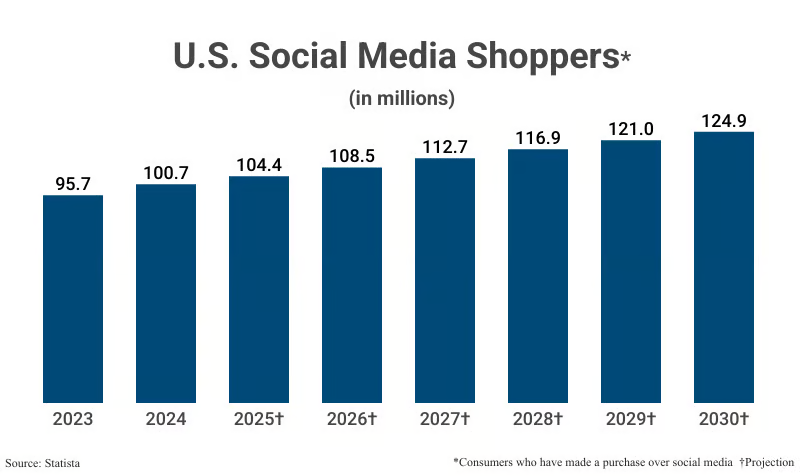
Social platforms now function as integrated commerce environments that shorten the path from interest to transaction. Brands must align sales execution with platform-led discovery and creator ecosystems, where product discovery, validation, and purchase increasingly occur within social feeds.
Influencer-led social commerce converts attention into revenue by embedding products directly into creator-driven content and native shopping features.
Key execution shifts include:
- Native storefronts and in-app checkout, enabling direct purchases within short-form video and social platforms for impulse-driven products, launches, and bundled offers.
- Live shopping and creator-led product reviews, combining real-time product explanation with time-bound offers to drive immediate conversion.
- Influencer-driven product validation, using creator credibility and community trust to reduce hesitation and accelerate purchase decisions.
How SunTec India Can Help Brands Succeed?
As eCommerce operations expand across marketplaces and channels, many brands experience declining ROI and competitive advantage when growth introduces operational complexity without centralized control. Fragmented catalog management, inventory misalignment, rising customer acquisition costs, margin pressure, and platform fees erode profitability, while inconsistent product data undermines search relevance and long-term brand differentiation.
SunTec India mitigates these risks by centralizing marketplace execution across catalog management, marketing activities, and product content, improving accuracy, efficiency, and control as brands expand across channels.
Key Services Offered by SunTec India
- eCommerce Marketplace Management Services
(Amazon Account Management Services, Amazon Seller Central & Vendor Central Management, eBay and Walmart management, Rithum management, TikTok Shop Management, Listing Creation and Optimization, Catalog Management, Account Health Management and Compliance) - eCommerce Marketing Services
(eCommerce SEO, eCommerce PPC, Conversion Rate Optimization, Competitive Intelligence, Performance Marketing, Data Analytics) - Product Data Management Services
(Product Data Entry, Data Scraping and Collection, Enrichment, Classification and Categorization, Product Description Writing, Data Cleansing, Data Matching, Product Page Optimization) - MRO Master Data Management
(MRO Category Management, Data Cleansing, Data Enrichment, Data Standardization, Spare Parts Data Management, Vendor Master Data Management) - Product Photo Editing & 3D Modeling
(Product Photo Editing, 3D Product Modeling for enhanced visualization and immersive commerce use cases) - Global Selling & Cross-Border Marketplace Support
(Localized content & listing, Cross-Region Inventory & Fulfillment, Cross-Region Performance Reporting, Cross-Border Marketplace Operations)
The Hybrid Approach: Automation+ Manual Oversight
SunTec India employs a hybrid delivery model that combines AI-enabled automation with structured human oversight. Automation efficiently manages scale-intensive workflows, such as large-volume catalog processing, data standardization, and campaign execution, while manual oversight provides contextual accuracy, nuanced judgment, and multi-level quality control in areas where automation alone is insufficient.
Struggling to Maintain Consistency Across Marketplaces and Channels?
Work with our specialists to centralize catalog management, optimize marketing efficiency, and strengthen marketplace compliance.